details:
- who: david silver, media studies
what: web 2.0: beyond the hype
when: wednesday, november 1, 3-4 pm
where: UC 400
hope to see you there!



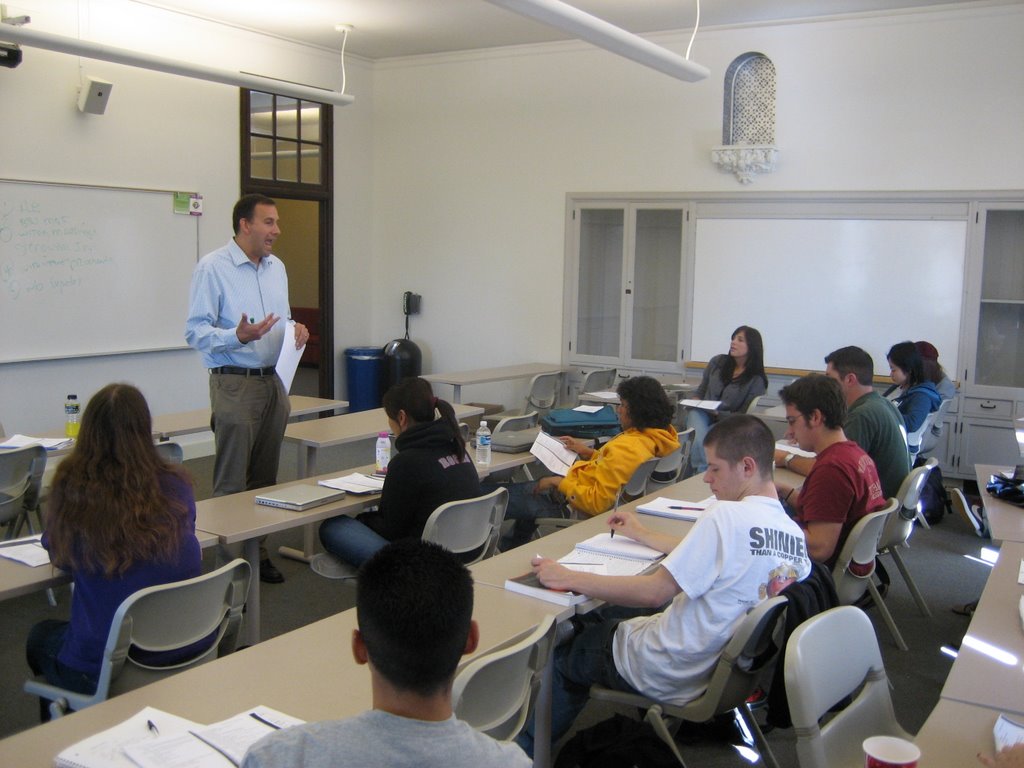 on thursday, peter novak, associate professor and chair of USF's performing arts and social justice, rocked the class. he began by asking us questions about AIDS. basic questions. few of us knew much. so he gave mini-lectures on the history of AIDS, some myths about AIDS, and some stark numbers that helped us understand the urgency of AIDS.
a nine-part critical investigation of the militarization of popular culture. The pieces of the puzzle - from toys to reality TV - combine to form a larger picture of the integration of entertainment and military affairs. The film asks: How has war taken its place as an entertainment spectacle? and What does this mean for the ability of our democracy to consider this most destructive of human activities?this morning i watched episode eight, "sports," and almost lost my breakfast. good, smart stuff - i'll be using this in both my teaching and research. i hope projects like this will encourage more professors to experiment with new modes for academic distribution.
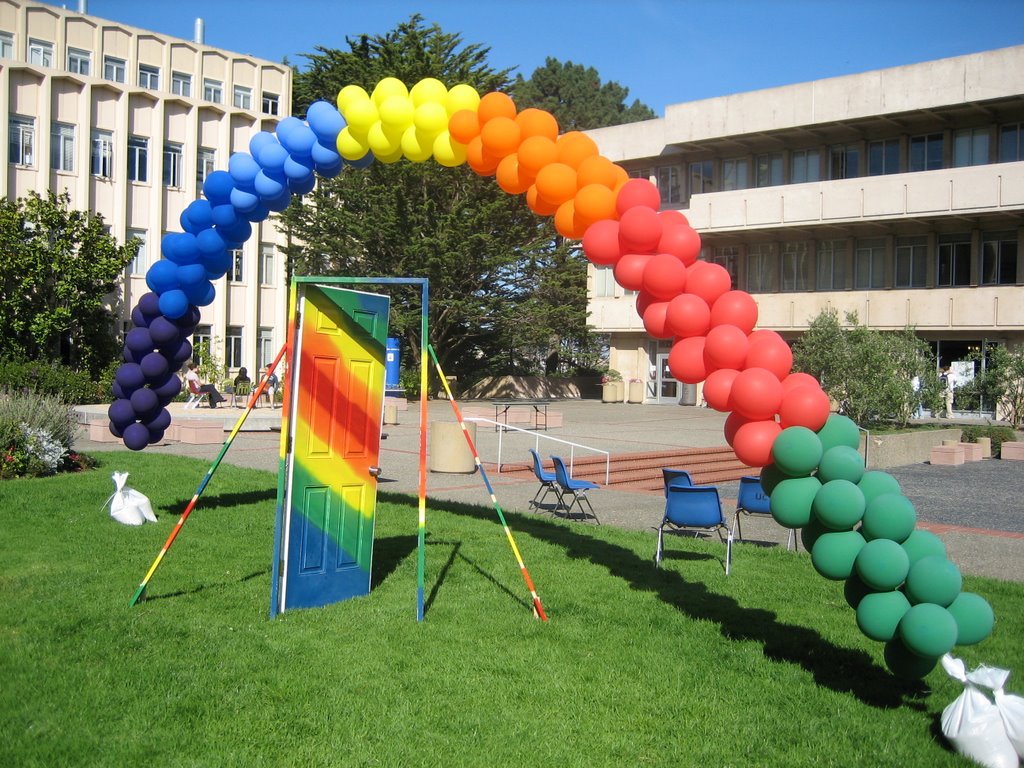 a rainbow painted closet with the door open. floating overhead is a rainbow of balloons. and all this in the middle of campus with the sun shining fiercely. what a perfect way to get things started on national coming out day. brilliant and beautiful.

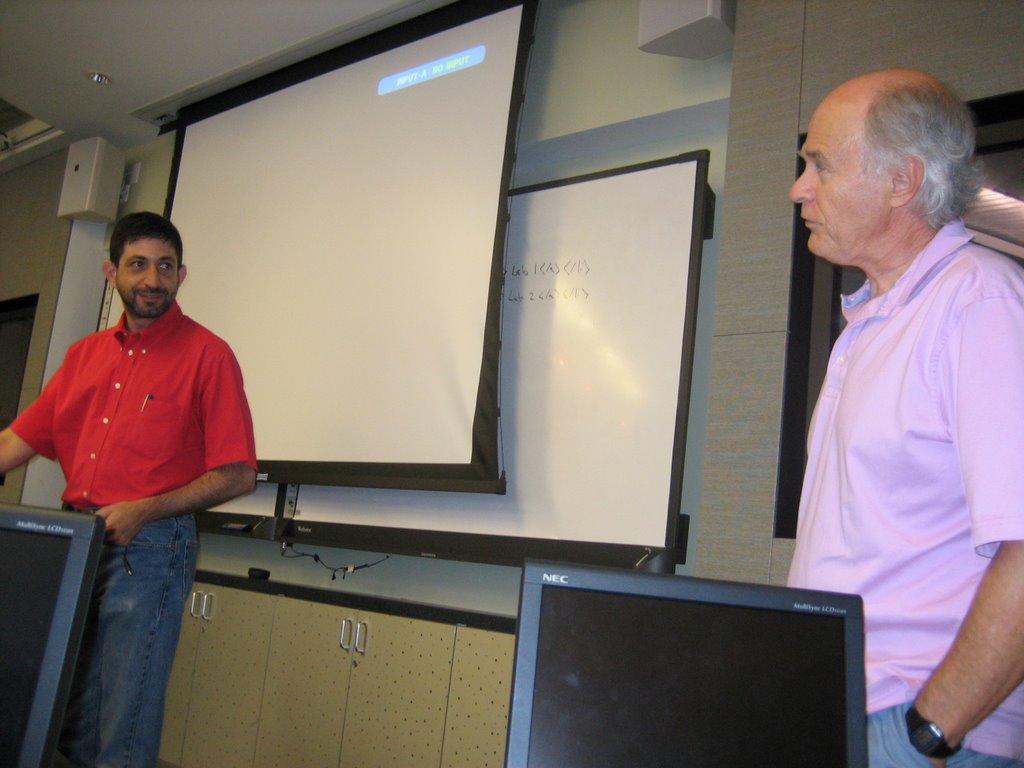 (marc and USF professor benjamin wells)
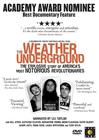 the weather underground is an academy award-nominated documentary film about a group of young, mostly white americans who grew weary of america's violence (both domestic and overseas in vietnam) and began organizing to overthrow the government. a fascinating film about a fascinating chapter of american history. the film's director - and USF media studies professor - sam green will be there for a discussion.
 when i was small, we moved to LA for three years where, among other things, my mom began work with another mother for peace, who were responsible for, among other things, this famous poster. i've carried around this poster for years but never found an office worthy of it. a few days ago, i posted it on my office wall loudly and proudly.
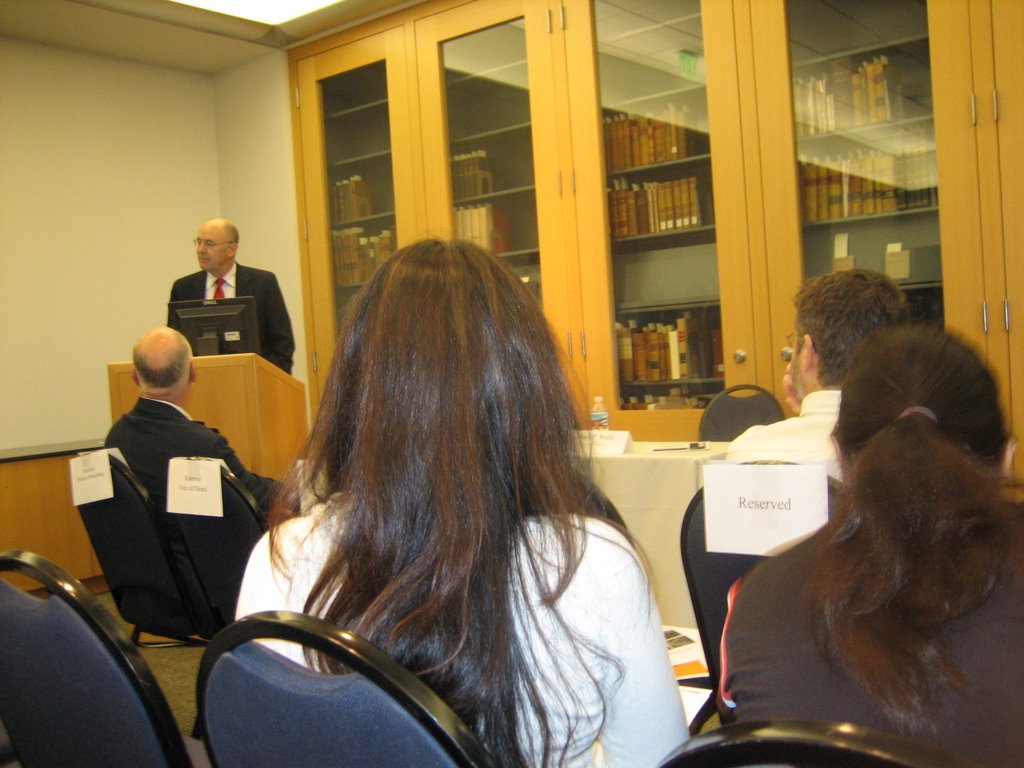 bud casey and james walsh were terrific speakers. mr casey (pictured above) is representing at least three detainees at guantanamo bay and he recounted how it has taken him more than ten months of filing papers with the government to reach national security clearance. he is now preparing to go to guantanamo (i believe shortly, like within weeks) to meet and represent his clients. at one point, bud casey projectd to a large screen the names of his clients - as well as the numbers the US government assigns them - and sort of just let them speak for themselves: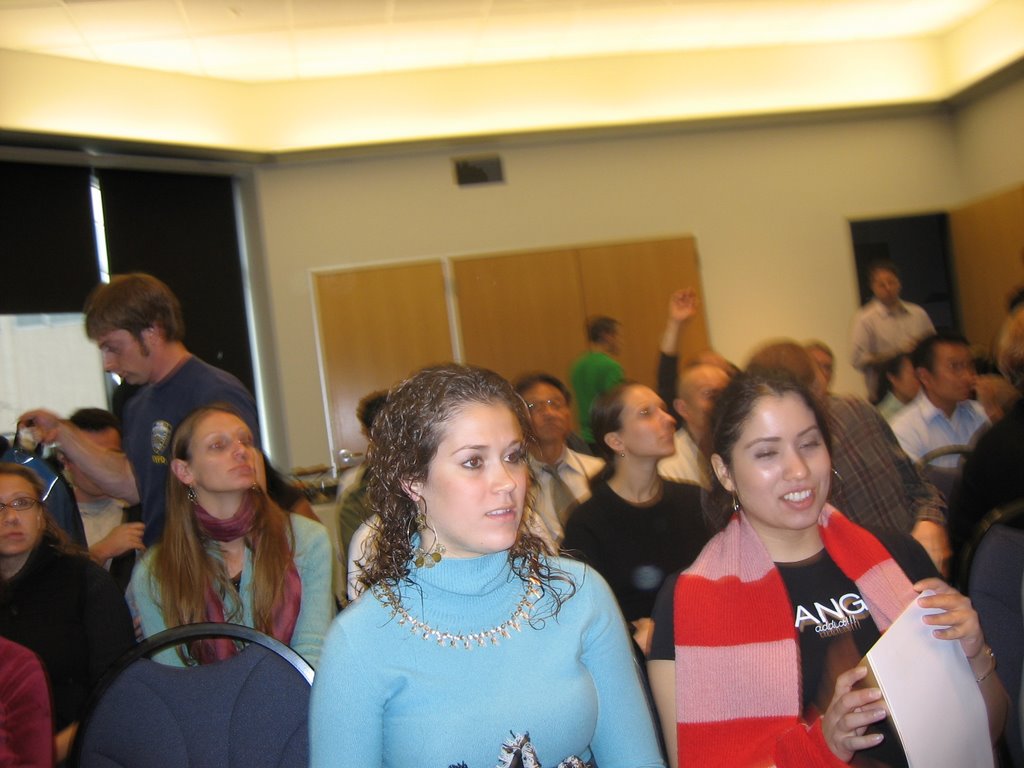
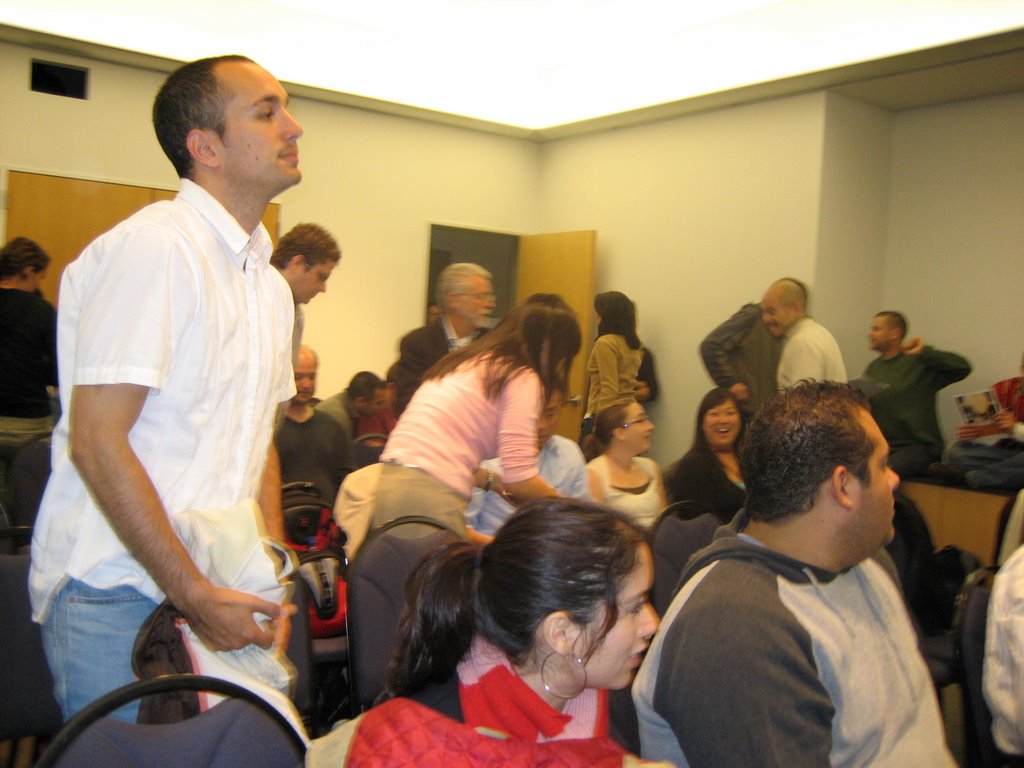 james walsh followed with an excellent overview of what we, as thinking people, face with guantanamo. he spoke - with elegance and humor - of the legal process of the detainees. he spoke on a range of legal issues that i believe were quite relevant to the law students. that was one of the best things about this event: the speakers completely understood who their audience was and spoke accordingly. near the beginning of walsh's talk, the president of the university, stephen privett, SJ, arrived - not as a speaker but as a partipant. a university president concerned with violations of human rights: excellent.
Today, at the National Teach-in hosted by my law school, Seton Hall, I listened to attorney Julia Tarver Mason share stories from her client, a detainee at Guantánamo, regarding force feeding. She pointed out that at first, when she heard that he was being force fed, she was partly relieved. After all, she did not want her client, detainee Abdul-Rahman Shalabi, to die. Yet upon hearing Shalabi's recount of exactly what occurred during his force feeding session, she was not exactly comforted of the news of his nutrition. The irony is hard to ignore.(wait: "Guantánamo Bay has actually held 2 children- aged 10 and 12." what?)
Shalabi described tubes bigger than his fingers forced into his nose until he passed out, a Navy doctor who inserted a tube with such violence that he started throwing up blood, and the sharing of tubes covered in blood and stomach bile for use with different detainees.
According to Ms. Mason, Shalabi said in an interview at Guantánamo that "These [detainees] are young. They are innocent. The United States thought they had information. These people don't have information. Now the situation is more severe. It has been four years now. . . . There is no law here, only injustice."
Another panelist described that Guantánamo Bay has actually held 2 children- aged 10 and 12. After listening to the teach in, and questioning whether we even have the right people (terrorists), I am very troubled by stories of force feeding and abuse. I have never proclaimed that all the men of Guantánamo are innocent, but surely some of them are. It's bad enough that many captured are the wrong people, it's laughable that we captured children (according to the panelists).
And now we are going to remove Habeas access for these people? What exactly are we doing?
Researchhaving c) in the guidelines is so cool and allows me to discuss - in addition to publications, presentations, and grants - projects like RCCS, the september project, and academic blogging.
a. Area(s) of primary interest and relationship to longer-term goals,
b. Publication and paper development goals, and
c. Planned research and creative work not reflected through publications or papers.
Academic Blogging – My blog affords me academic connections to colleagues, students, and scholarly, artistic, and activist communities. Sometimes, the connections produce professional opportunities such as presentations, publications, and collaborations. Sometimes, the connections produce intellectual opportunities like multi-authored comment threads that further nuance an issue, idea, or interpretation. I enjoy and benefit academically from such connections, and look forward to expanding such activities. Further, I will continue to use my blog to share my research with my students and to share my students’ work with my colleagues.


